On a balmy September afternoon in 2024, the historic Spanish Quarters of Naples a place usually defined by its vibrant atmosphere, fluttering laundry lines, and the rhythmic buzz of scooters became the stage for an “absurd and tragic” event that would haunt Italy. Chiara Jaconis, a 30-year-old rising star in the global fashion industry, was enjoying the final moments of a birthday trip when a 4.4-pound onyx statuette fell from a balcony, striking her and ending her life.
Months later, the investigation into her death has taken a significant legal turn. As the 13-year-old boy allegedly responsible for dropping the object is cleared due to his age, the focus has shifted entirely to his parents. They now face manslaughter charges, sparking a national debate on parental responsibility, the supervision of “problematic” minors, and the search for justice in the wake of an unthinkable accident.
A Life of Brilliance and Video
To understand the weight of this tragedy, one must look at the life Chiara Jaconis had built. Originally from Padua, a city in northern Italy known for its academic heritage, Jaconis had long ago set her sights on the international stage. By the age of 30, she was a seasoned professional in the cutthroat world of luxury fashion.
Chiara Jaconis Full Video
At the time of her death, Jaconis was based in Paris, serving as a manager for Prada. Her role was formidable: she oversaw 15 retail locations across France, Monaco, and Belgium. Her LinkedIn profile painted a picture of a relentless achiever. Before joining Prada in 2022, she had honed her craft at some of the world’s most prestigious Maisons, including Givenchy, Christian Louboutin, and L’Oreal.
Her journey began with the same humility and work ethic that characterized her later success, including a stint as a sales assistant at Disneyland Paris in 2016. Friends and colleagues described her as a woman of immense talent and vitality—someone who navigated the high-pressure environment of European luxury fashion with grace. She was in Naples not for work, but to celebrate a milestone: her 30th birthday, a trip that was meant to be a joyous transition into a new decade of her life.
The Fatal Afternoon in the Spanish Quarters
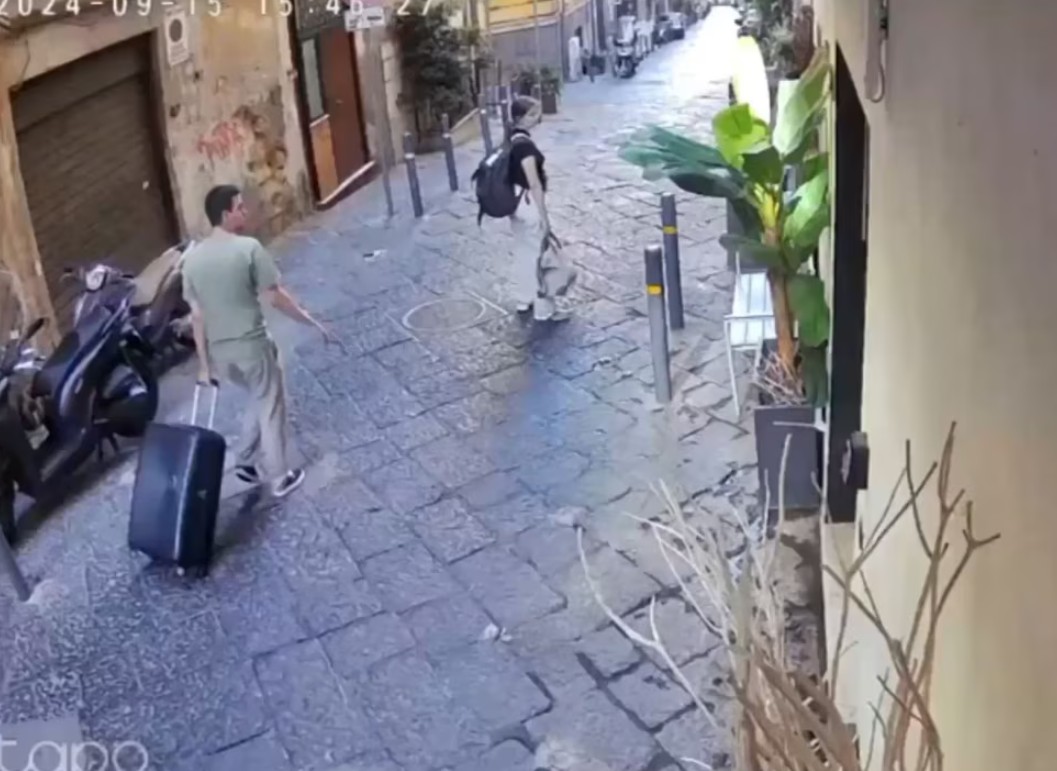
On September 15, 2024, the celebration ended in a moment of inexplicable horror. Chiara and her boyfriend, Livio Rousseau, were walking through the narrow, picturesque streets of the Spanish Quarters, wheeling their luggage as they prepared to depart from the city.

Surveillance footage captured the moments leading up to the impact. The video shows the couple walking calmly; Chiara was slightly ahead of Livio. Without warning, a heavy onyx statuette, weighing approximately 2 kilograms (4.4 pounds), plummeted from a high balcony. The object struck Chiara directly, causing her to collapse instantly.
The audio and visual details of the aftermath are harrowing. Livio Rousseau’s voice can be heard on recordings, desperately calling her name—”Chiara!”—before crying out “Oh my God” and screaming for help from the residents of the crowded neighborhood. Despite being rushed to a local hospital and receiving emergency surgery for severe brain trauma, Chiara Jaconis passed away shortly after.
The Legal Quagmire: Accountability vs. Age
In the immediate aftermath, the investigation focused on the apartment from which the statuette fell. It was soon linked to a 13-year-old boy. However, the Italian legal system possesses a strict threshold for criminal responsibility: children under the age of 14 cannot be held criminally liable for their actions. Consequently, the juvenile court officially cleared the boy of charges.
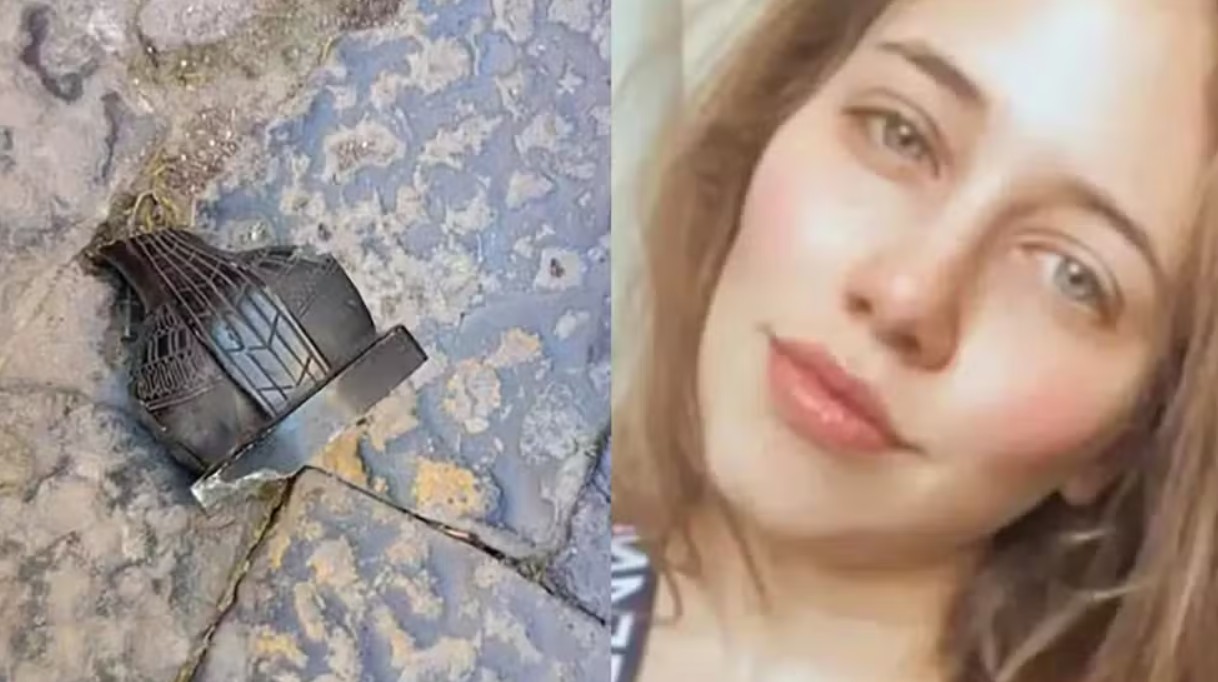
However, the case did not end there. Italian prosecutors have now turned their sights on the boy’s parents. The core of the prosecution’s argument rests on the concept of culpa in vigilando—the negligence in supervision. Prosecutors allege that the parents “should have supervised the boy,” and that a proper degree of oversight would have prevented him from tossing the heavy object off the balcony.
The boy has been described by investigators as “problematic,” a term that suggests a history of behavioral issues that, in the eyes of the law, should have necessitated stricter parental control. By failing to manage their son’s actions, the prosecution argues, the parents are indirectly responsible for the manslaughter of Chiara Jaconis.
The Defense: A Firm Denial
The parents and their legal team have mounted a vigorous defense. They “strongly deny” any wrongdoing or negligence. Central to their defense is the claim that the onyx statuette was not even their property, questioning how they could be held responsible for an object they claim did not belong to the household.
Their lawyer has publicly stated that they have “no case to answer,” suggesting that the incident was a freak accident rather than a result of systemic parental failure. This defense sets the stage for a high-stakes legal battle. A preliminary hearing is scheduled for June 26, which will determine whether the evidence is sufficient to send the parents to a full criminal trial for manslaughter.
A Nation in Mourning
The death of Chiara Jaconis resonated far beyond the narrow streets of Naples. It struck a chord with the Italian public, who viewed the incident as a metaphor for the “absurdity” of life and the devastating consequences of negligence.
Political leaders across the country expressed their grief. Gaetano Manfredi, the Mayor of Naples, visited the site and offered his condolences to the family, stating, “It is a great sorrow, a tragedy that deeply affects all of us.” In her hometown of Padua, Mayor Sergio Giordani branded the death as “absurd and tragic,” highlighting the sense of waste felt by a community that had watched Chiara grow into a successful international professional.
The case also reignited discussions about the safety of Italy’s historic centers, where high-density living and narrow streets mean that any object dropped from a balcony can become a lethal projectile.
As the June 26 hearing approaches, the case of Chiara Jaconis remains a painful reminder of how quickly a life can be extinguished. For her family and for Livio Rousseau, no legal verdict can restore what was lost. However, the trial of the parents represents a pursuit of accountability in a system where the direct actor the child is beyond the reach of the law.
If the parents are held liable, it will send a powerful message regarding the legal expectations placed on guardians in Italy. For now, the fashion world mourns a talented manager, Padua mourns a bright daughter, and Naples remains scarred by a tragedy that turned a birthday celebration into a funeral.
The investigation, which was closed by juvenile prosecutors eight months after the incident, now enters its most critical phase in the adult court system. The world waits to see if the “absurdity” of Chiara’s death will find some semblance of resolution through the cold machinery of justice.
News –
Leave a Reply