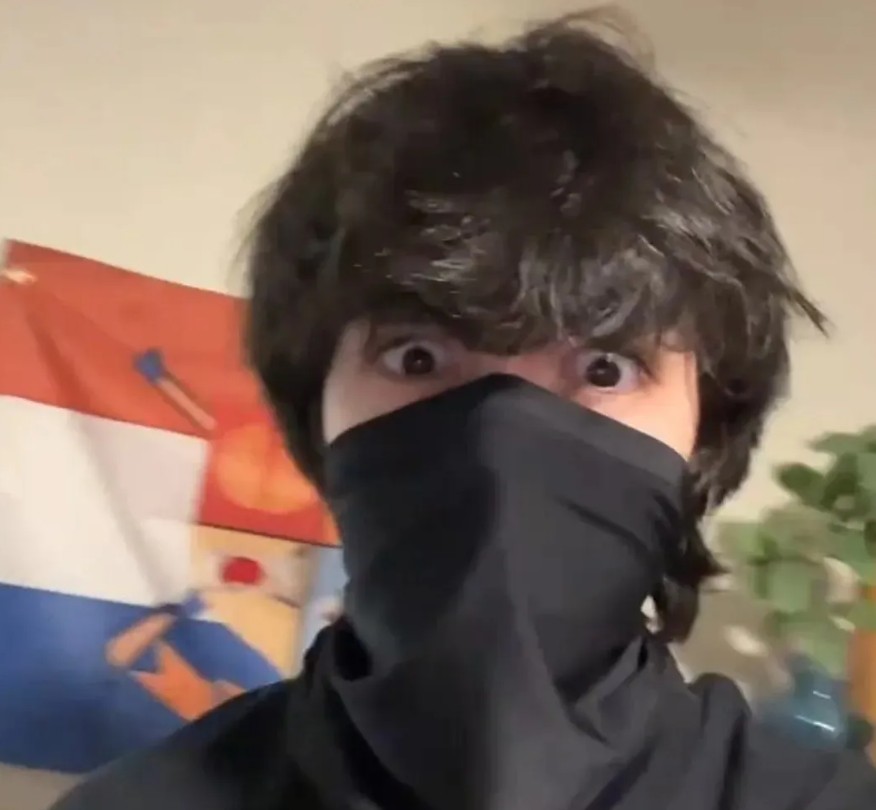
On what should have been a peaceful Monday afternoon, violence struck the heart of the San Diego Muslim community. A deadly shooting unfolded outside the Islamic Center of San Diego, leaving a tight-knit community shattered, yet profoundly grateful for a singular act of extraordinary bravery. What could have easily become one of the worst mass casualty events in recent American history was mitigated by the quick thinking and ultimate sacrifice of a dedicated security guard.
Amin Abdullah, a father of eight and a beloved fixture at the mosque, alongside two devoted worshippers, Mansour Kaziha and Nader Awad, lost their lives in the attack. The perpetrators, two teenage attackers, subsequently took their own lives. While the loss is devastating, local authorities and community members agree on one undeniable truth: the heroic actions of Abdullah and the other victims directly saved countless lives, leaving behind a profound legacy of bravery, love, and community unity.
Moments of Heroism and Video
The deadly shooting began to unfold close to noon on Monday, shortly after a mother of one of the suspects called the police to report that her son had run away with a friend and might be suicidal. Hours later, while police were actively searching for the teenagers, the suspects arrived at the Islamic Center of San Diego.
Video of the shooting and suicide of Cain Clark
As the two heavily armed suspects ran past the mosque’s entrance, Amin Abdullah did not hesitate. Drawing his weapon, he immediately engaged the gunmen, exchanging fire in a desperate bid to halt their advance. Simultaneously, Abdullah initiated strict emergency lockdown procedures for the entire complex. His swift response was critical; the center houses a school, and at that exact moment, 140 children were inside. By confronting the shooters at the perimeter and locking down the facility, Abdullah ensured the attackers could not breach the building.
Outside in the parking lot, the chaos continued. Mansour Kaziha and Nader Awad drew the attention of the teenage suspects. By acting as a secondary barrier and forcing the gunmen to focus on them, Kaziha and Awad further delayed the attackers. Both men were fatally shot in the lot, but their presence disrupted the shooters’ momentum.
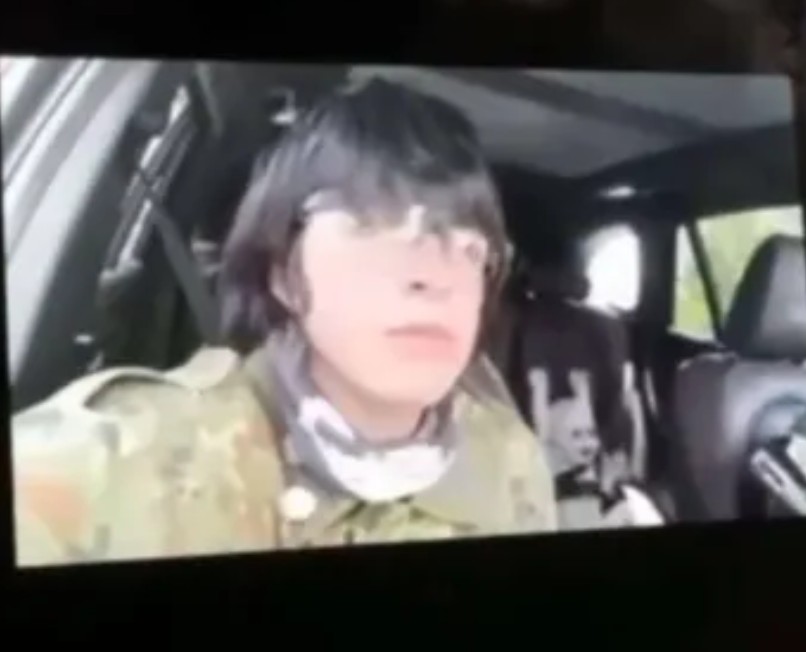
San Diego Police Chief Scott Wahl stated in a news briefing that the fierce resistance initiated by Abdullah and supported by the other victims “undoubtedly” pushed the suspects to flee the scene. Shortly after fleeing, the two suspects—aged 17 and 18—were found dead of self-inflicted gunshot wounds in a vehicle just blocks away.
“It’s fair to say his actions were heroic,” Chief Wahl told reporters, speaking specifically of Abdullah. “Undoubtedly, he saved lives today.” Wahl heavily praised all three victims for their collective defiance, which effectively deterred a catastrophic loss of life inside the house of worship.
To those who frequented the Islamic Center, Amin Abdullah was much more than a man in a security uniform; he was the protective soul of the community. A family friend, Shaykh Uthman Ibn Farooq, shared that Abdullah had worked at the mosque for more than a decade. “He wanted to defend the innocent, so he decided to become a security guard,” Ibn Farooq noted.
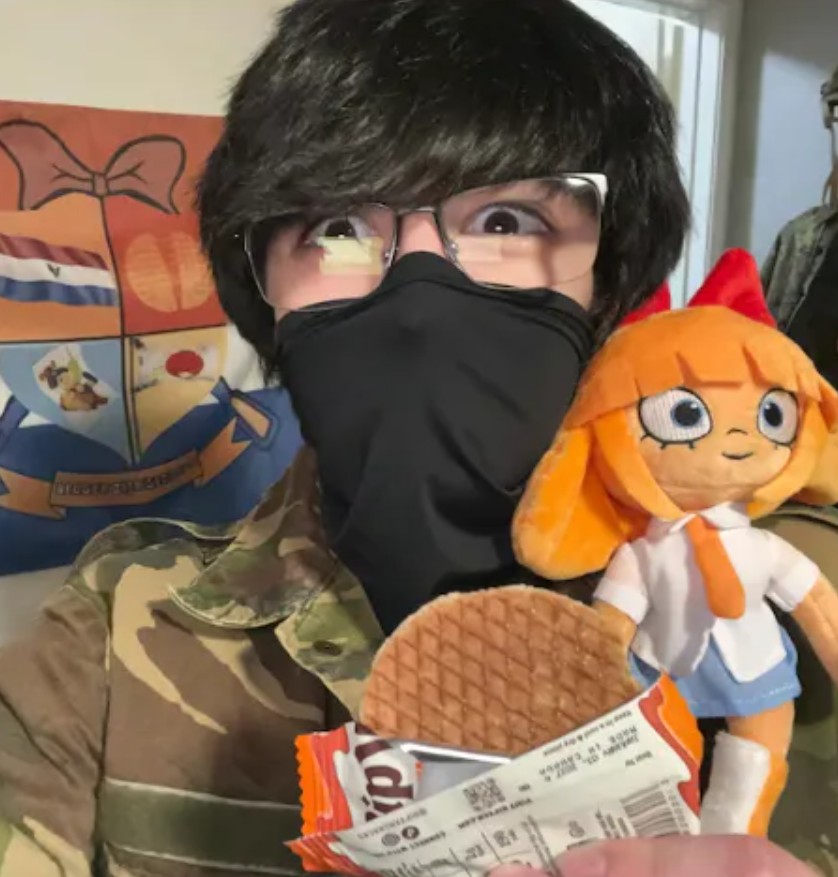
Tazheen Nizam, a spokeswoman for the Council on American-Islamic Relations-San Diego (CAIR-SD), remembered Abdullah with deep affection. “Amin was loved by everybody. He stood there day after day, always smiling, welcoming everybody, welcoming the kids who came to the school,” Nizam told the BBC. “He was a shining light. He is a true hero, a martyr.”
Other community members took to social media and local news to echo these sentiments, describing him as “the nicest man you’ll ever meet.” Worshipper Sam Hamideh recalled Abdullah’s universal kindness, stating that it didn’t matter who walked up to the mosque. “Any random person could just walk up and, like, [Abdullah] would greet them, make sure they are OK… whether they were homeless off the street looking for something, whether it was a child or elderly.”
“He was a courageous man who put himself on the line for the safety of others, who even in his last moments did not stop protecting our community.”
— Statement from the Islamic Center of San Diego
The other two victims were equally woven into the fabric of the mosque. Mansour Kaziha was known for his quiet dedication, regularly helping to maintain the mosque’s grounds and managing its convenience store. Nader Awad was also deeply tied to the center’s educational mission; his wife is a teacher at the very school Abdullah died protecting. The profound grief felt by the community has sparked a massive wave of global solidarity, with an online fundraiser for the three victims’ families raising more than $2.9 million within just 24 hours.
The Investigation: A Motive Driven by Hate
As the community grieves, federal and local law enforcement agencies are uncovering the disturbing details behind the attack. The shooting is officially being investigated as a federal hate crime. Chief Wahl confirmed that “hate rhetoric” was deeply involved in the incident.
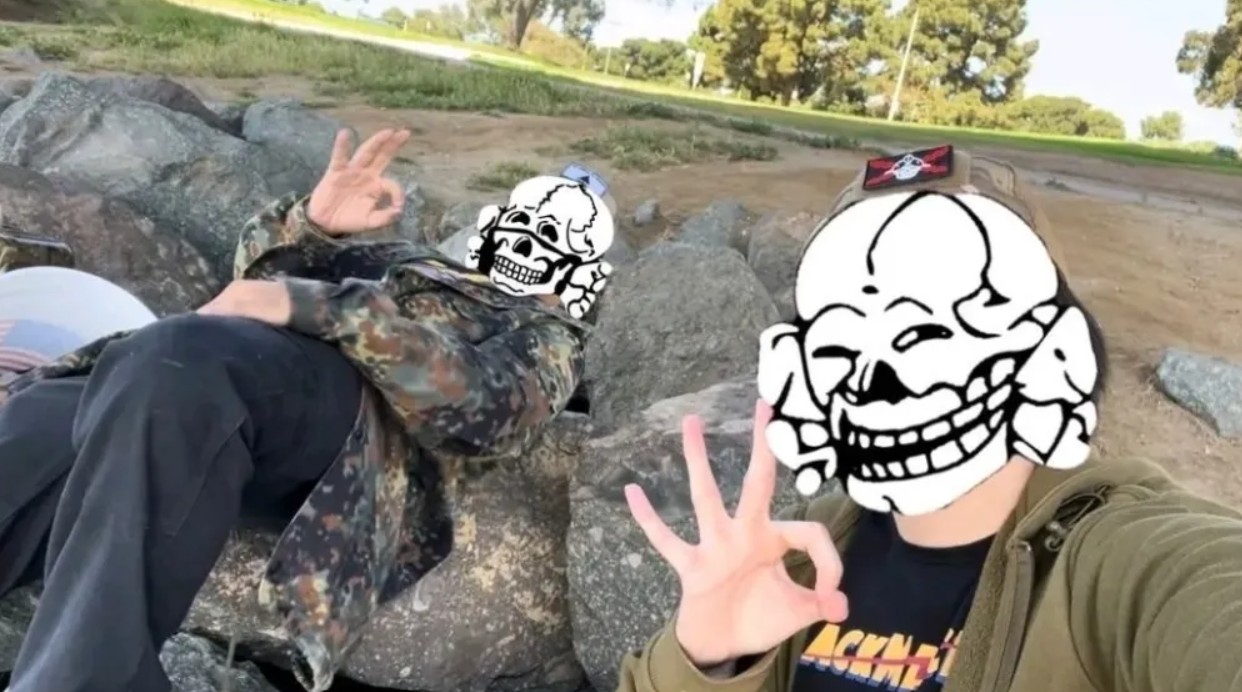
During a search of three residences associated with the 17- and 18-year-old suspects, authorities uncovered a massive stockpile of weapons. FBI Special Agent Mark Remily revealed that investigators seized a crossbow and more than 30 firearms, including pistols, rifles, and shotguns. The weapons were legally registered to the parents of one of the suspects.
Furthermore, federal investigators recovered a manifesto and various ideological writings authored by the teenagers. According to Agent Remily, the documents outlined rigid racial and religious beliefs detailing “how the world they envisioned should look.” While it remains unclear if this specific mosque or school were pre-planned targets, the writings made their violent prejudice undeniable. “These subjects did not discriminate on who they hated,” Remily stated.
Political and Social Echoes: A Call for Unity
The tragedy has resonated far beyond the borders of San Diego, drawing sharp condemnation from political leaders and prompting serious conversations about hate speech in America.
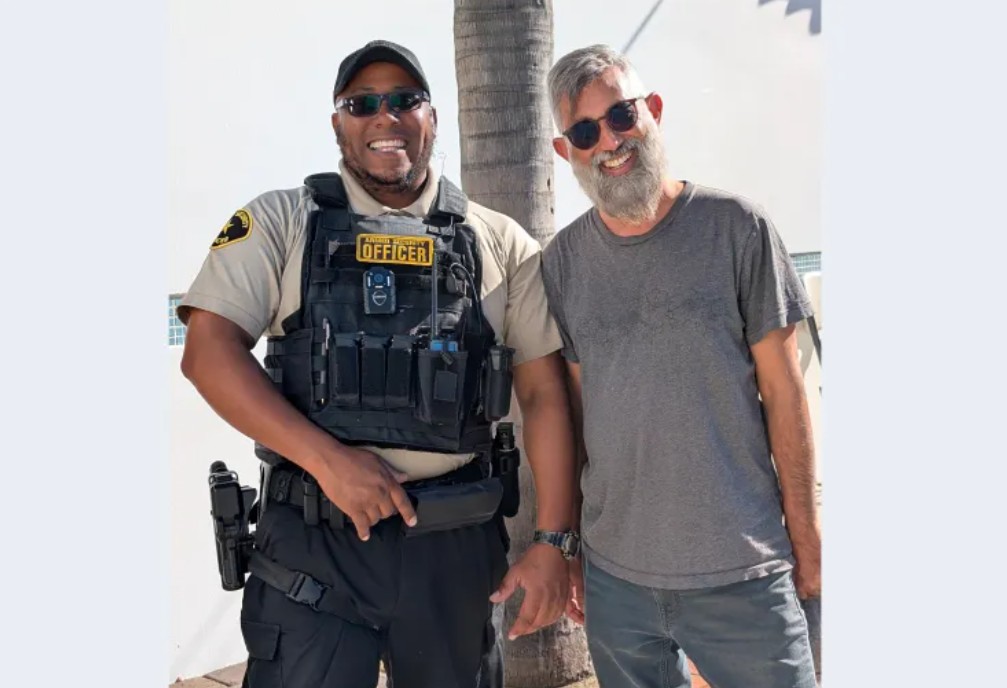
On Tuesday evening, ahead of a community vigil, Abdullah’s daughter, Hawa Abdullah, stood flanked by her grieving siblings to deliver a powerful message of resilience. She stated that her father “would want our community to stand together as one. That’s exactly the legacy he left behind. He wants all of us to be better, regardless of who we are, what we identify as.”
San Diego Mayor Todd Gloria forcefully rejected the ideology of the killers, separating them from the identity of the city. “They do not represent our city,” Mayor Gloria said of the suspects. “These three Muslim men do.”
Speaking from the White House, US Vice-President JD Vance called the shooting “reprehensible” and urged Americans to pray for the grieving families. Vance shared a deeply personal connection to the tragedy, noting that his wife, Usha Vance, was born and raised in San Diego and likely knew people who frequented the targeted Islamic Center. He added that he and the Second Lady often eat at a restaurant near the mosque when visiting her family.
“Political violence, wherever it comes from, is unacceptable in the United States of America,” Vance emphasized. “Let’s talk with one another, not shoot each other when we disagree.”
In the wake of these statements, members of the San Diego Islamic community have called upon elected officials nationwide to be incredibly mindful of their rhetoric. They emphasized that public discourse directly shapes how religious minorities are perceived and treated, urging leaders to foster words of inclusion rather than division.
The San Diego mosque shooting is a painful, sobering reminder of the devastating realities of unchecked hatred and radicalization. Yet, the narrative of that dark Monday is not defined by the malice of the perpetrators, but by the supreme sacrifice of the three men who stood in their way.
Amin Abdullah, Mansour Kaziha, and Nader Awad gave their lives so that 140 children and dozens of worshippers could return home to theirs. As the San Diego community heals, the legacy of these three men serves as an enduring testament to courage. They proved that even in the face of absolute darkness, love, bravery, and communal unity will always stand as an unbreakable shield.
News –
Leave a Reply