![Taylor Polidore Williams Talks Film ‘HPV’ [Exclusive]](https://bossip.com/wp-content/uploads/sites/28/2026/05/17794757122146.jpg?quality=80&strip=all&w=1024&crop=0,0,100,683px "Taylor Polidore Williams Talks Film ‘HPV’ [Exclusive]")
- Film explores protagonist’s experience with HPV, endometriosis, and healthcare barriers faced by Black women.
- Lead actress relates to story’s themes due to her mother’s journey with endometriosis and witnessing women’s pain dismissed.
- Provocative title invites discussion, but film ultimately seeks to provide representation and make viewers feel ‘seen’.
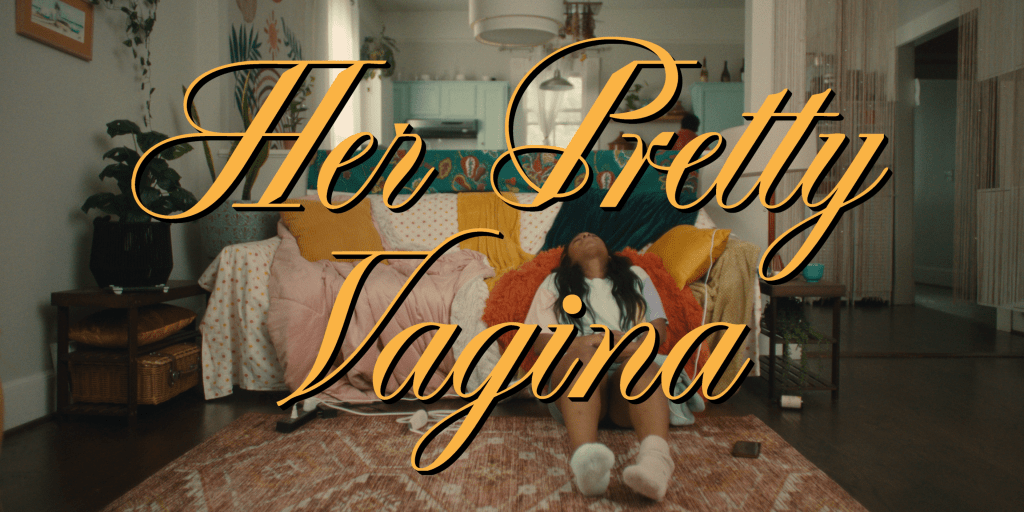
Some film titles are designed to spark curiosity, others are meant to challenge comfort zones. H.P.V. (Her Pretty Vagina) is ready to do both.
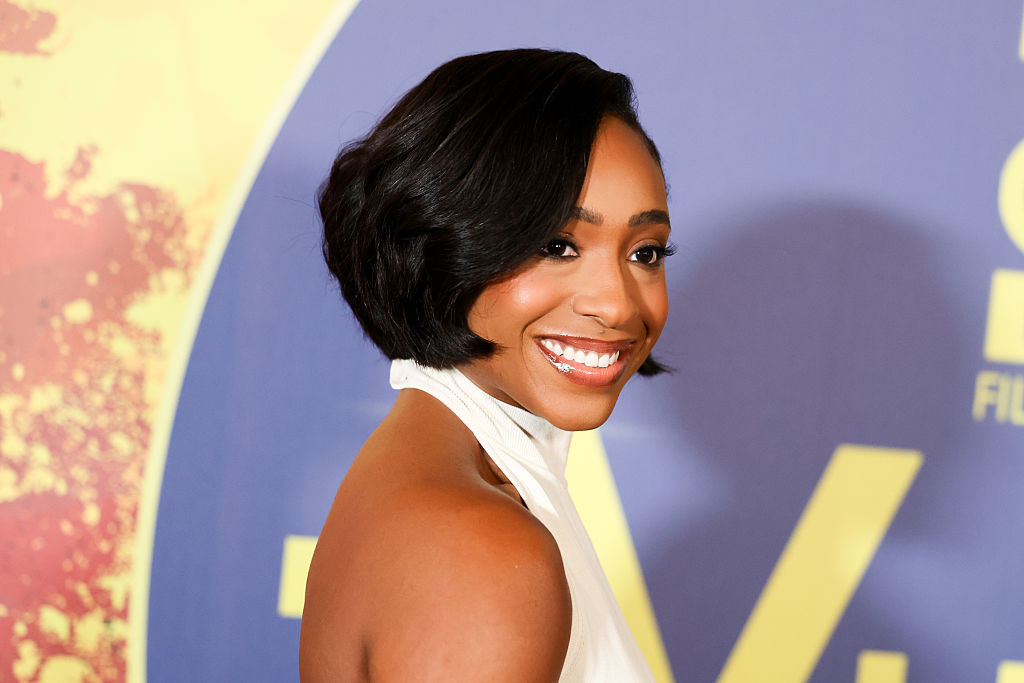
Set to premiere at the 2026 American Black Film Festival, the independent short film stars cinema sizzler Taylor Polidore Williams and follows Kaleigh, a young Black woman navigating an HPV diagnosis, undiagnosed endometriosis, and the frustrating realities of systemic barriers within healthcare.
Written, directed, and executive produced by Kiah Clingman, the project tackles conversations many women experience privately but rarely see reflected on screen.
During an exclusive conversation with BOSSIP’s very own Lauryn Bass, Taylor shared why this project felt deeply personal and why she hopes the film shifts conversations around pain, stigma, and Black women’s health.
More Than A Film, A Needed Conversation
As H.P.V. prepares to make its debut, Taylor said she feels excitement but also anticipation about what audiences will take away.
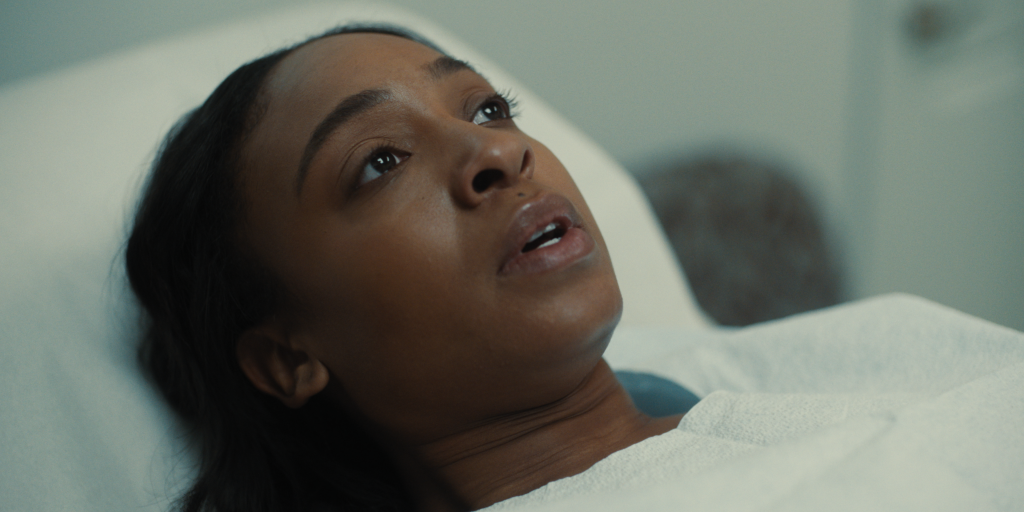
“I’m so excited, and I am so proud of Kiah and the team that it took to make this film,” she said. “I’m also very eager to get the conversation going.”
Taylor acknowledged that hearing the title alone immediately creates assumptions.
“When you hear it, you instantly have a connotation of something, but I know 100 percent without a doubt that we have created a very beautiful and thought provoking, conversation provoking film, both cinematically and with the topic.”
That willingness to start conversations is exactly what initially pulled her into the role. The material itself struck an emotional chord because of her mother’s health journey.
“My mom dealt with endometriosis for the majority of my life,” she explained. “She was very adamant about your period should not hurt you. You should not be feeling these things. If this happens, we go to the doctor.”
Taylor said she watched firsthand as her mother navigated challenges that many women often have dismissed.
“So many women are gaslit into believing that their pain is, ‘Oh, it’s just the time of the month. Oh, she’s being dramatic.’”
She also pointed to the silence and shame surrounding HPV and sexual health conversations.
“It’s something that a lot of people deal with in shame because of the stigma around STIs and STDs,” she said. “But if you have a conversation with friends, people start saying, ‘Oh, I dealt with that freshman year of college,’ or ‘I had a scare with this when I was 22 or 23.’”
For Taylor, that revealed a much larger issue.
“There’s a conversation that needs to be had among people, particularly young Black people.”
Why The Title Never Shocked Her
Despite the bold title, Taylor admitted she was surprised to learn others viewed it as controversial.
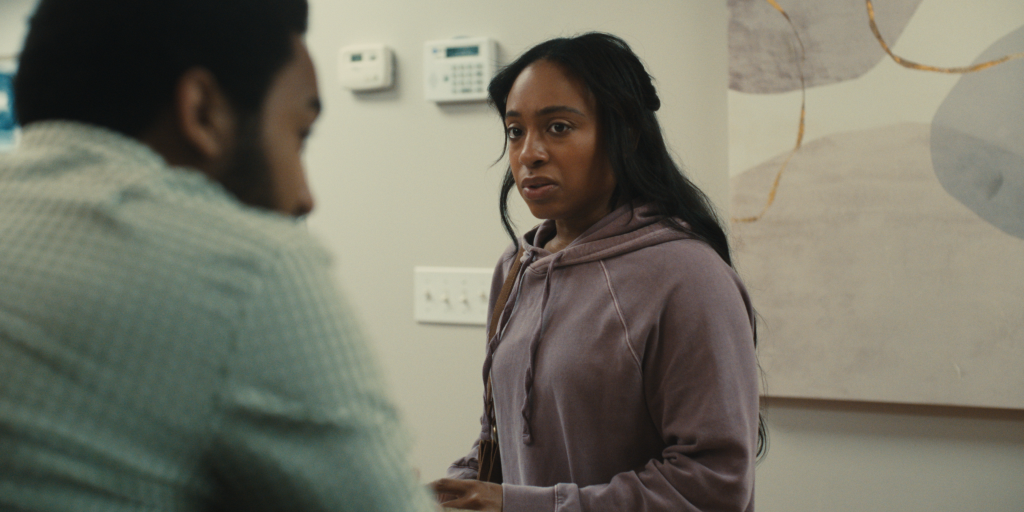
“The title never even phased me,” she said. “I grew up with strong, feminine, divine Black women in my family. We’ve never shied away from our bodies nor our femininity.”
For her, the word itself simply represented anatomy.
“What is a vagina? It’s like an arm, it’s like a foot, it’s like a head. These are parts of the body.”
Still, she understood that audiences may approach the title differently.
“This is either going to go completely right or it’s going to go completely wrong,” she joked. “But I think if you watch the movie, then it will start the necessary conversation.”
When Art Meets Real Life
Portraying Kaleigh became even more meaningful after Taylor found herself unexpectedly learning from the story in her own life.
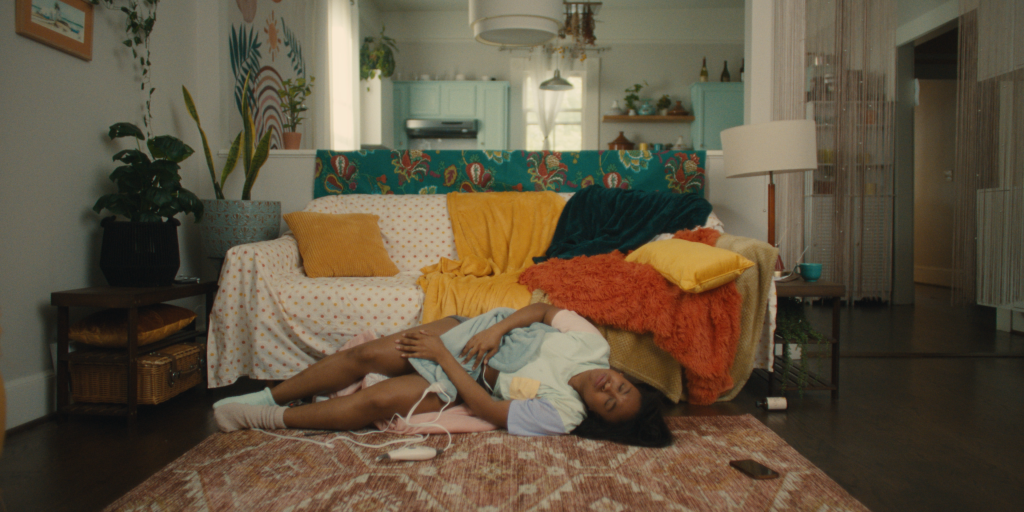
She revealed that before filming, she had never heard of a colposcopy procedure.
“I’m learning about it and bringing it up to friends, and they’re like, ‘Oh, I had to have one of those. I didn’t tell anybody because I was so scared.’”
Then art and reality collided.
“A year later I had my own scare and had to go have one.”
Taylor said her experience ultimately ended positively and highlighted the importance of having supportive healthcare professionals.
“I have a phenomenal Black woman OBGYN here in Atlanta,” she said with a smile.
Taylor shared that she experienced no additional complications, but the moment reinforced just how important education and advocacy can be.
Storytelling With Purpose
While audiences know Taylor from projects including Beauty in Black and Reasonable Doubt, she said projects rooted in real issues fulfill a different purpose.
“It brings a sense of fulfillment that I can’t even describe,” she said. “ I knew it was a necessary conversation, and it felt like a sense of duty to have the honor to tell this story.”
For Taylor, success would not simply be viewers enjoying the film. It would be someone feeling recognized.
“I know for a fact when someone sees this and they’re dealing with this, they are going to feel, even if it’s just for a moment, ‘I feel seen.’”
As H.P.V. makes its way to ABFF, the project stands as a reminder that some of the most impactful stories are not the ones that simply entertain, but the ones brave enough to start conversations long overdue.
Leave a Reply