- Police claimed the victim was armed, but evidence suggests he posed no immediate threat when fatally shot.
- Repeated police killings of Black people highlight a system that treats their lives as disposable.
- Families are left grieving not just the death, but the lack of accountability and justice in these cases.
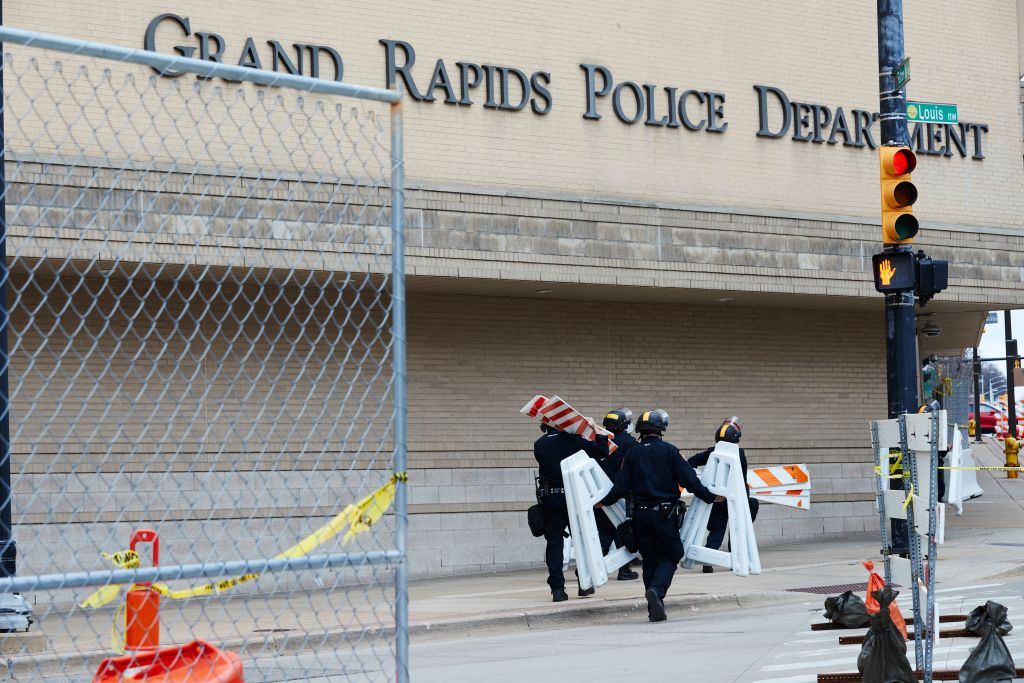
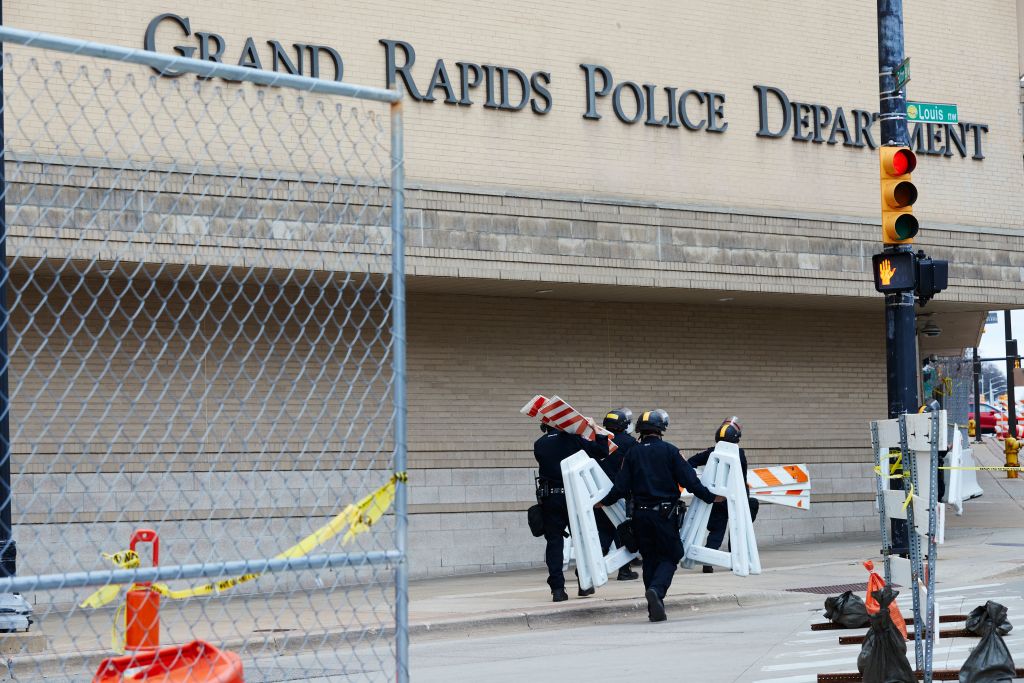
BOSSIP previously reported on the killing of Da’Quain Johnson in Grand Rapids is yet another devastating, exhausting reminder of how routine police violence against Black people has become—and how often the official story strains credibility while families are left demanding basic truth.
According to reporting from FOX 17, Johnson’s death has now officially been ruled a homicide, a classification that underscores what his family and community have been saying from the beginning: this was not some unavoidable tragedy—it was a life taken by police. The 32-year-old father of three died after being shot by a Grand Rapids police officer following a chase and confrontation in February 2026.
The details are as disturbing as they are familiar. Police claimed Johnson was armed and dangerous, yet video and witness accounts have raised serious questions about whether he posed any immediate threat at the moment he was shot. Johnson had been chased while riding a bicycle, brought down with the help of a K-9 unit, and was on the ground during the struggle when an officer fired the fatal shots.
Let that sink in: a man on the ground, already being subdued by a police dog, still ends up shot.
The second article, based on a Michigan State Police report obtained by FOX 17, adds more detail—but not more clarity or comfort. The report confirms officers believed Johnson had a gun and later recovered a loaded firearm at the scene. But belief is not the same as imminent danger, and possession alone does not justify lethal force—especially when someone is already pinned down. The report outlines a chaotic encounter, yet like so many of these cases, it ultimately leans on officer perception rather than indisputable evidence of threat.
And that’s where the frustration boils over.
Because we’ve seen this pattern before—over and over again. A Black man is killed. Police say they “feared for their lives.” Evidence trickles out slowly. Contradictions emerge. And still, accountability feels elusive. Even in this case, the prosecutor has acknowledged needing more information before making a decision, dragging out a process that families know all too well.
Meanwhile, Johnson’s family is left grieving not just his death, but the way he died—reportedly shot multiple times while restrained.
This isn’t just about one shooting. It’s about a system where Black lives continue to be treated as disposable in moments where restraint should be the priority, not bullets. It’s about the exhausting repetition of watching video after video that seems to contradict official narratives. And it’s about the unbearable reality that even when a death is ruled a homicide, justice is never guaranteed.
At some point, the question stops being what happened—and becomes why it keeps happening.
Leave a Reply