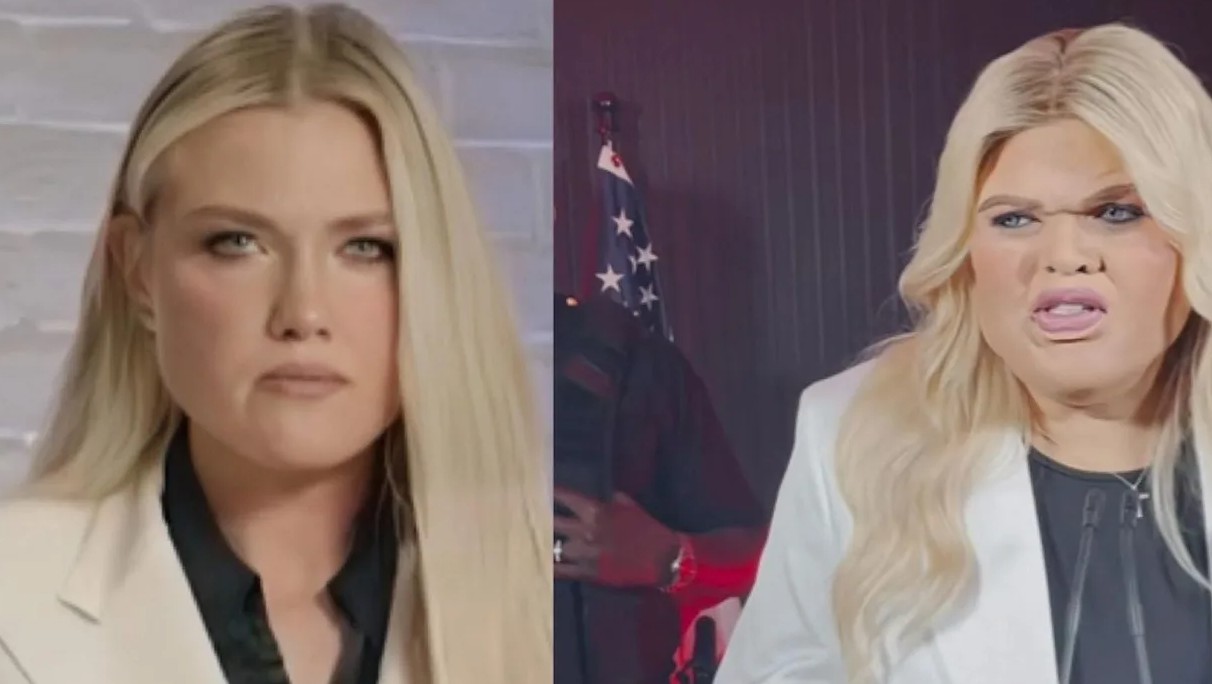
Comedian Druski has once again found himself at the center of a heated cultural debate following the release of a viral sketch in which he portrays Erika Kirk, the CEO of Turning Point USA. The video, titled “How Conservative Women in America Act,” has amassed tens of millions of views across social media platforms, sparking widespread discussion about the limits of satire, the ethics of comedic timing, and even the shortcomings of artificial intelligence in interpreting parody.
What might have been just another comedic skit has instead become a flashpoint for broader conversations about humor, politics, and public sensitivity in the digital age.
A Public Figure Under the Spotlight and Video
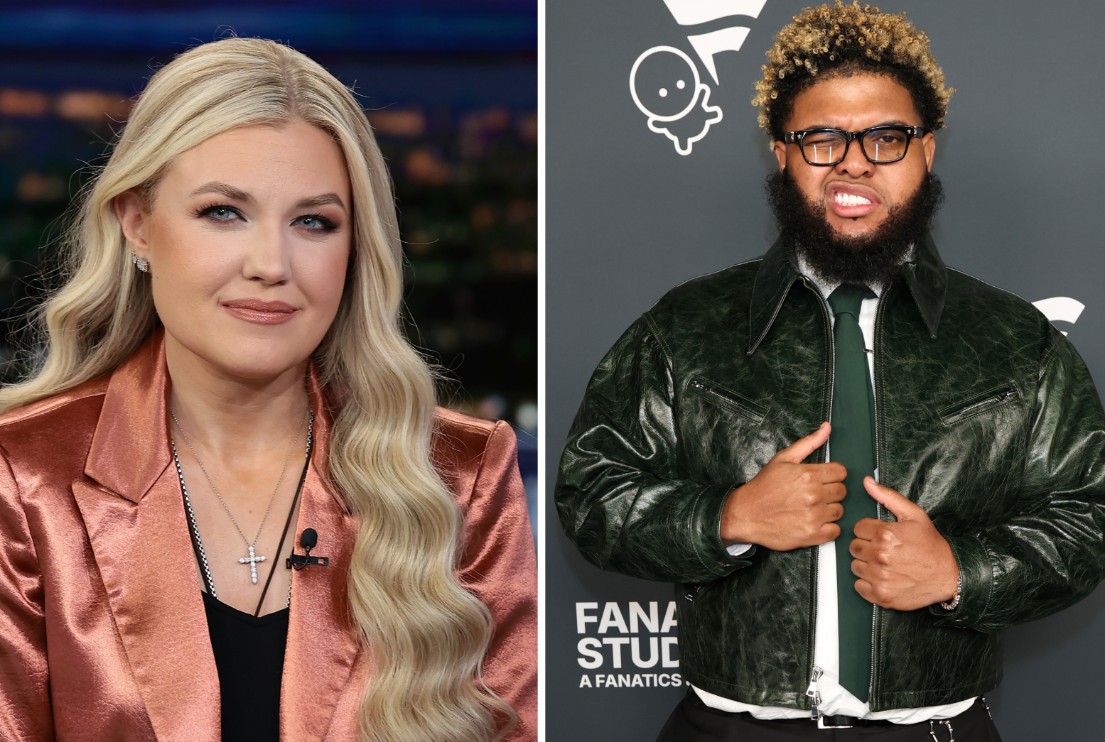
Erika Kirk has recently become a more prominent figure in American public life. As a conservative leader and the widow of Charlie Kirk, she has stepped further into the national spotlight following her husband’s passing. In addition to leading Turning Point USA, she has also been appointed to the Air Force Academy Board, further elevating her profile.
Druski Erika Kirk Full Video
With increased visibility, however, comes increased scrutiny. Kirk has faced criticism, online speculation, and even conspiracy theories circulating in certain corners of the internet. This heightened attention forms the backdrop against which Druski’s sketch was released, making its timing a central point of controversy.
Breaking Down the Sketch
The sketch itself is a layered piece of satire that relies heavily on visual transformation and tonal contrast. Druski appears in full prosthetic makeup, complete with a blonde wig, blue contact lenses, and a white suit, closely mimicking Kirk’s public image. The performance opens with a stylized memorial scene before abruptly transitioning into a mock press conference.
During this staged interaction, the character responds to questions about the ongoing Iran conflict. His answers are intentionally vague and emotionally performative, expressing sympathy for soldiers while avoiding direct engagement with difficult questions about civilian casualties. When pressed about children নিহত in military strikes, the character trails off awkwardly, creating a moment that feels both uncomfortable and deliberately exaggerated.
The sketch then shifts tone dramatically. The character is shown dancing and singing along to pop music, ordering a “sweet cream foam chai iced matcha,” and doting on a small dog named Bella while insisting on an entirely organic lifestyle. These moments serve as a stark contrast to the earlier political setting, highlighting what appears to be a critique of performative public personas.
The final segment returns to a political. Standing at a podium with a hand over her heart, the character declares the need to “protect all men in America,” before narrowing the statement to “especially white men.” The exaggerated crowd reaction and a subtle glance from a security guard underscore the satirical intent, leaving viewers to interpret the message.
A Deeply Divided Audience
As with much of Druski’s work, the reaction to the sketch has been sharply divided. Supporters argue that the video is a legitimate example of satire, emphasizing that comedy has always pushed boundaries and challenged social norms. For them, the sketch is simply an extension of Druski’s comedic style bold, provocative, and intentionally uncomfortable.
Many defenders also point out that satire is not meant to be universally appealing. In their view, the backlash reflects a growing tendency to police humor rather than engage with its underlying message.
Critics, however, see the situation differently. Some argue that the sketch crosses a line by targeting a real person who is still dealing with personal loss. The issue, they say, is not just the content but the timing. Mocking a recently bereaved public figure, they argue, lacks empathy and undermines the legitimacy of the humor.
Others have taken issue with specific elements of the sketch, including its religious references and political undertones. For these viewers, the video feels less like satire and more like a deliberate provocation.
There is also a segment of the audience that simply does not understand the appeal. Comments expressing confusion or frustration such as “I don’t get it” or “comedy is dead” highlight the broader disconnect in how modern audiences interpret humor.
The Question of Boundaries in Comedy
At the heart of the controversy is a longstanding question: where should the line be drawn in comedy?
Satire has historically been used as a tool to critique power, expose hypocrisy, and reflect societal tensions. Public figures, particularly those involved in politics, have often been considered fair game. However, the inclusion of personal circumstances such as grief complicates this equation.
Timing also plays a crucial role. A joke that might be acceptable in one context can feel inappropriate in another, especially when tied to ongoing real-world events. In this case, the combination of Kirk’s personal situation and the sketch’s political references has heightened sensitivity among viewers.
Ultimately, the debate underscores the subjective nature of humor. What one person finds insightful and bold, another may see as offensive or unnecessary.
AI Misinterpretation Adds a New Dimension
An unexpected twist in the controversy emerged when artificial intelligence entered the conversation. According to a report by Forbes, Grok the chatbot integrated into X misidentified images from the sketch as the real Erika Kirk.
This misinterpretation highlights a key limitation of current AI systems: their difficulty in recognizing satire and contextual nuance. While some AI models refused to identify the person in the image or flagged it as manipulated, others failed to distinguish between parody and reality.
The implications are significant. As AI tools become more integrated into everyday life, their inability to accurately interpret satirical content could contribute to misinformation and confusion, particularly when viral content spreads rapidly.
A Pattern of Provocative Humor
For Druski, this is not unfamiliar territory. His comedic style often on exaggerated characters and culturally charged themes designed to provoke strong reactions.
In 2025, he gained widespread attention for a viral sketch filmed at a NASCAR event, where he portrayed a hyper-patriotic white character using heavy makeup, a mullet wig, and stereotypical attire. Like the Erika Kirk sketch, that video sparked debate over whether it was clever satire or an example of humor going too far.
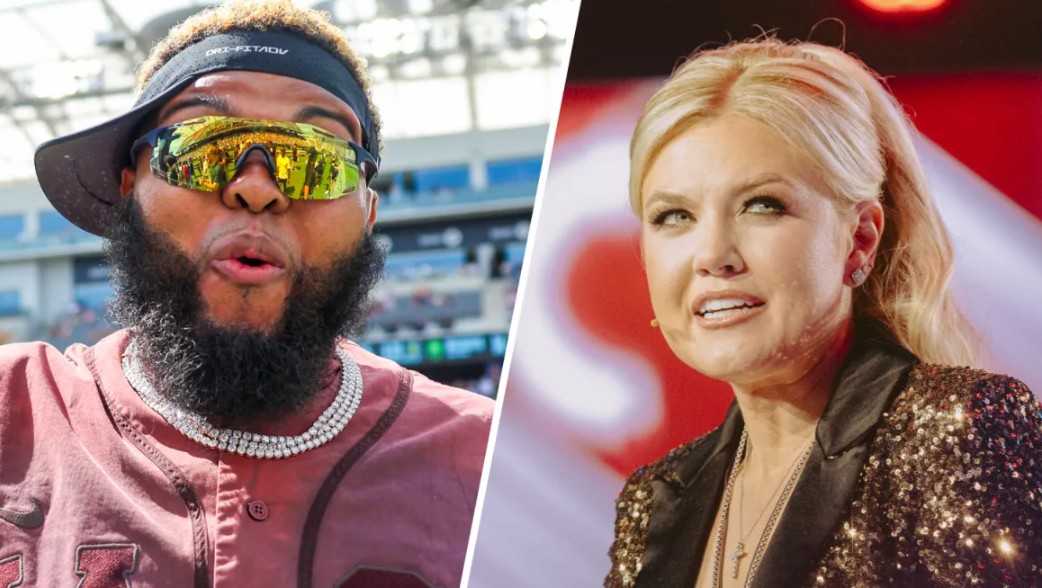
He also faced criticism earlier this year after mispronouncing an NFL player’s name during a televised awards show, less controversial, the incident contributed to his reputation as a comedian who frequently operates on the edge.
Despite these moments of backlash, Druski’s popularity continues to grow. His ability to generate viral content and spark conversation has made him a dominant figure in the social media comedy landscape.
The Role of Politics and Timing
The inclusion of the Iran conflict in the sketch adds another layer of complexity. By referencing an ongoing geopolitical issue, the video connects directly to real-world events, increasing both its relevance and its sensitivity.
For some viewers, this makes the satire more powerful, as it reflects actual political rhetoric and public discourse. For others, it makes the sketch feel inappropriate.
This tension highlights of blending comedy with current events. While satire can provide valuable commentary, it can also deepen divisions, particularly in an already polarized environment.
Why the Sketch Resonates
Part of what makes the sketch so impactful is its combination of elements. It blends political commentary, lifestyle parody, and social critique into a fast-paced and visually engaging format. The rapid tonal shifts keep viewers engaged while reinforcing the satirical message.
At the same time, the controversy itself has amplified the video’s reach. In the age of social media, debate and outrage often drive visibility, ensuring that polarizing content spreads quickly.
In this sense, the sketch serves as more than just entertainment it becomes a reflection of broader cultural tensions and evolving standards for humor.
Druski’s portrayal of Erika Kirk has sparked a conversation that extends far beyond a single viral video. It raises important questions about the limits of satire, the ethics of timing, and the challenges of interpreting humor in a digital world.
The added layer of AI misinterpretation further complicates the issue, revealing how technology can struggle to keep up with the nuances of human expression.
In the end, the significance of the sketch lies not in whether it is universally accepted or rejected, but in the discussion it generates. As audiences continue to debate where the line should be drawn, one thing is clear: in today’s media landscape, comedy is no longer just about laughter it is a powerful, and often controversial, form of cultural commentary.
News –
Leave a Reply