
- Court says Religious Land Use Act doesn’t permit lawsuits against individual officers for personal liability.
- Inmate’s Rastafarian rights were violated when guards shaved his head, but he can’t seek monetary damages.
- Dissenting justices argue ruling undermines religious freedom protections for incarcerated people.
The U.S. Supreme Court has ruled that a former Louisiana inmate whose locs were forcibly cut in violation of his Rastafarian faith cannot recover monetary damages from the prison employees responsible.
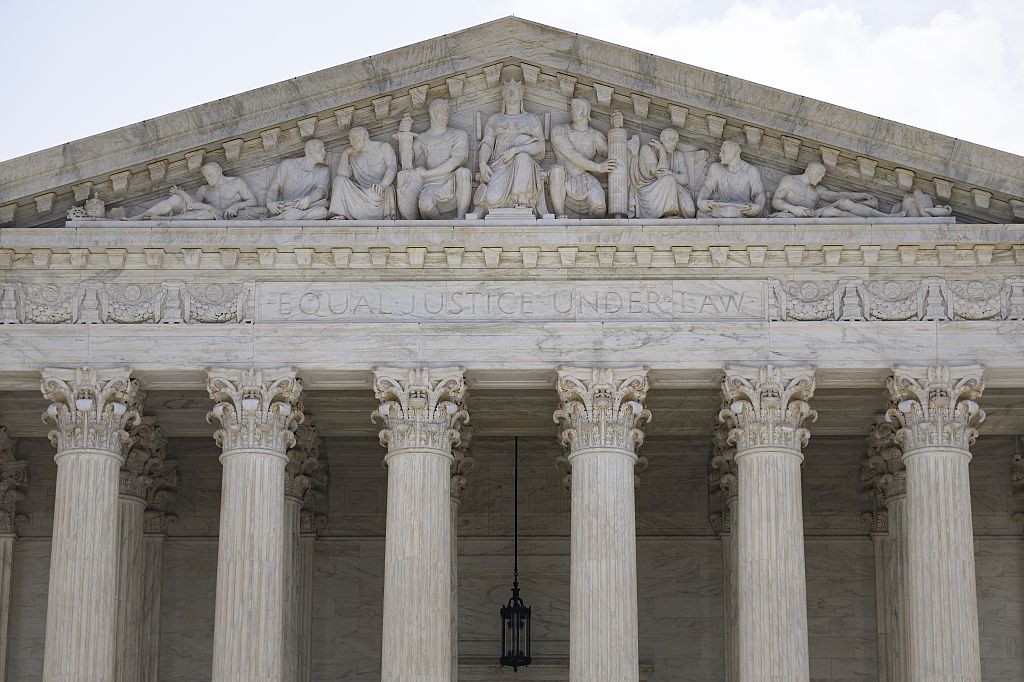
According to the Associated Press, it was a 6-to-3 decision issued Tuesday, June 23. The nation’s highest court acknowledged that Damon Landor’s religious rights were violated after correctional officers shaved his head during a brief stay in the Louisiana prison system in 2020.
However, the justices concluded that the federal law protecting incarcerated people’s religious freedom does not allow individual prison employees to be held personally liable for money damages.
The ruling resolves a years-long legal battle over the scope of the Religious Land Use and Institutionalized Persons Act, a federal law designed to protect religious exercise in prisons and other institutions that receive federal funding.
Supreme Court Says Federal Religious Freedom Law Does Not Allow Damages Against Individual Officers
The Supreme Court’s decision did not center on whether Damon Landor’s religious rights were violated. Revolt states that instead, the justices considered whether the Religious Land Use and Institutionalized Persons Act allows incarcerated people to sue individual prison employees for monetary damages.
Justice Neil Gorsuch, who wrote the majority opinion on behalf of the six justices who sided with the prison officials, said the law does not permit lawsuits against correctional officers in their personal capacity.
“The law does not authorize lawsuits against individual officers in their personal capacity,” Gorsuch wrote.
The majority determined that while prisons receiving federal funding must comply with the RLUIPA, individual correctional officers are not personally bound by those funding agreements. Because of that, the Court ruled they cannot be held financially responsible under the law.
The Court did not dispute that Landor’s religious beliefs should have been protected. Instead, the case centered on the limits of the federal law and whether Congress intended for individual prison employees to face personal financial liability.
Damon Landor Alleged Officers Restrained Him Before Shaving His Head
NewsOne reports that court records cited by the Associated Press show Landor entered Louisiana custody carrying documentation of an earlier appeals court ruling recognizing that Rastafarian inmates could maintain their dreadlocks for religious reasons.
Officials at two correctional facilities reportedly honored his religious accommodation without incident.
However, the situation changed after Landor was transferred to Raymond Laborde Correctional Center in Cottonport during the final weeks of his sentence.
Court records state that one guard threw away the legal ruling Landor carried with him. Landor later alleged that correctional officers restrained him while another officer shaved his head down to the scalp despite his repeated religious objections.
Following his release, Landor filed suit seeking monetary damages for the violation of his religious rights. Lower courts dismissed his claims before the case ultimately reached the Supreme Court.
Justice Ketanji Brown Jackson Says The Decision Weakens Religious Freedom Protections
Justice Ketanji Brown Jackson disagreed with the majority’s interpretation of the law.
Joined by Justices Sonia Sotomayor and Elena Kagan, Jackson argued in her dissent that the ruling undermines Congress’ intent in passing the Religious Land Use and Institutionalized Persons Act and limits meaningful protections for incarcerated people whose religious rights are violated.
“It is not often that a real-life incident so clearly illustrates Congress’ reasons for adopting legislation, or the Constitution’s wisdom in enabling it,” Jackson wrote.
They argue that preventing damages against individual officers leaves people like Landor without a remedy when prison employees knowingly violate federally protected religious rights.
Leave a Reply