
In the fast-paced ecosystem of modern social media, internet trends emerge, peak, and transform within the span of a few hours. Platforms like Twitter (now rebranded as X) serve as the global town square where public attention is treated as the ultimate currency. Recently, a specific search query has surged to the top of trending charts and search bars globally: the “Sako and Dalton video.” Coupled with terms like “Sako and Dalton Twitter viral,” this digital phenomenon has captured the curiosity of millions of netizens overnight.
Whenever a specific nameset or a piece of footage suddenly dominates the algorithmic feeds, it sparks an immediate wave of digital investigation. Users frantically scroll through their timelines, click on trending hashtags, and demand context. But what exactly lies behind the curtain of the Sako and Dalton viral craze? Is it a breakthrough creative project, a leaked snippet of private life, a collaborative comedic skit, or simply another masterclass in algorithmic manipulation? This article provides an extensive, in-depth analysis of the Sako and Dalton internet phenomenon, tracking its origins, examining the public reaction, and exploring the wider implications of modern viral culture.
Sako and Dalton Video
To fully understand why a video involving Sako and Dalton garnered such immense traction, it is essential to look at who these individuals are and how they established their digital footprints.
The full video of Sako and Dalton catches the internet completely off guard
sako-and-dalton-video-1.mp4
sako-and-dalton-video-2.mp4
Sako is widely recognized within niche online communities as a rising content creator, influencer, and digital personality. Active across multiple platforms most notably TikTok, Instagram, and YouTube Sako has spent months, if not years, building a dedicated fanbase. Known primarily for lifestyle vlogs, aesthetic updates, and relatable short-form videos, Sako’s content strategy relies heavily on high audience engagement and authentic peer-to-peer interaction. This established base provided the perfect launchpad for any piece of media associated with their name to instantly achieve critical mass.
Dalton, on the other hand, compliments this dynamic either as a frequent collaborator, close friend, or romantic partner depending on the specific platform context. While Dalton’s independent social media presence might vary in scale compared to Sako’s, his appearances in joint content have consistently drawn significant viewer interest. Fans have long invested in Dalton’s charismatic yet grounded online persona, making him a recurring subject of interest within the broader fan community.
Before the current Twitter storm erupted, Sako and Dalton were already a recognized duo among seasoned netizens. Their joint videos ranging from casual challenge tags on TikTok to collaborative streams and lifestyle stories consistently performed well. They mastered the art of “digital chemistry,” creating a relatable dynamic that viewers felt connected to. When an audience becomes emotionally or socially invested in the daily interactions of two creators, any unusual or sudden content involving them is instantly treated as breaking news within those digital circles.
The Origin: How the “Sako and Dalton Video” Went Viral on Twitter
The mechanics of how the “Sako and Dalton video” transformed from a localized piece of content into a massive Twitter trend highlight the chaotic nature of cross-platform virality.
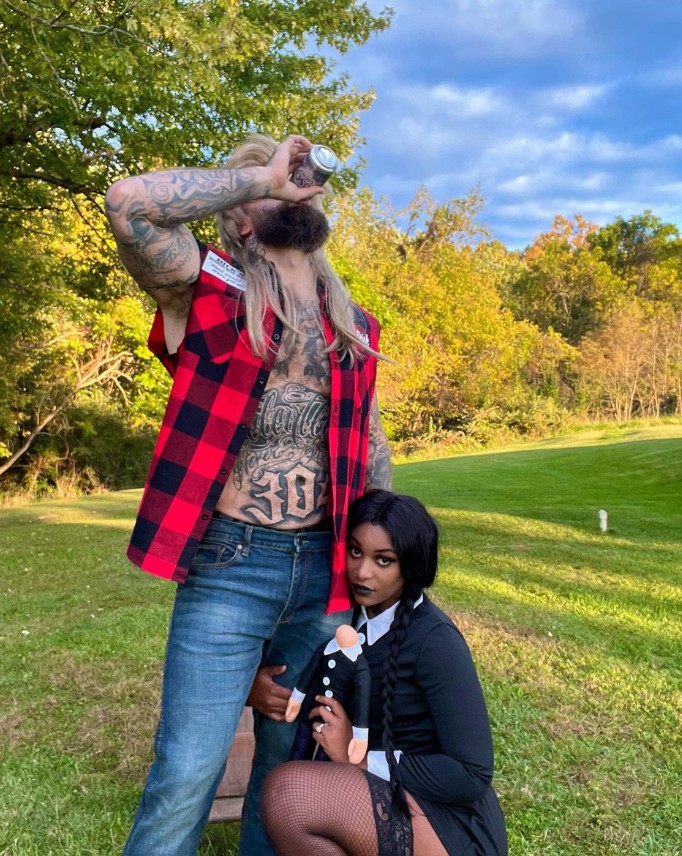
Every viral wildfire starts with a single spark. Digital footprint tracking suggests that the video in question did not originate on Twitter. Instead, it appears to have started on a more closed or visual-centric platform, such as Snapchat or private TikTok archives, before a third-party user repurposed and exported it. In the digital age, content boundaries are highly porous; a brief video uploaded to a restricted circle or a temporary story can be recorded, duplicated, and redistributed across the web within seconds.
Without violating privacy boundaries or amplifying unverified leaks, the core content of the video can be categorized as a highly candid, unscripted moment. Unlike their heavily polished, edited YouTube vlogs or staged TikTok trends, this specific footage captured a raw, private interaction whether it was a casual poolside moment. It was precisely this “behind-the-scenes” and unpolished nature that triggered widespread public fascination. Audiences are inherently drawn to what they perceive as authentic, unguarded glimpses into the lives of internet personalities.
Once the video crossed over to Twitter, the platform’s unique distribution algorithm took over. Unlike TikTok, which relies heavily on curated For You Pages, Twitter thrives on real-time retweets, quotes, and chronological commentary. A few high-profile internet commentary accounts shared screenshots and cryptic captions regarding the clip, which immediately piqued public curiosity. As thousands of users simultaneously typed “Sako and Dalton video” into the search bar, Twitter’s algorithm identified a massive spike in velocity, pushing the topic directly into the “What’s Happening” and “Trending” sidebars, thereby exposing the phrase to millions of unrelated users worldwide.
Public Reaction and the Meme Wave
The moment a video goes viral, control is completely stripped from the original creators. The internet community immediately begins to dissect, repurpose, and react to the media in a multitude of ways.
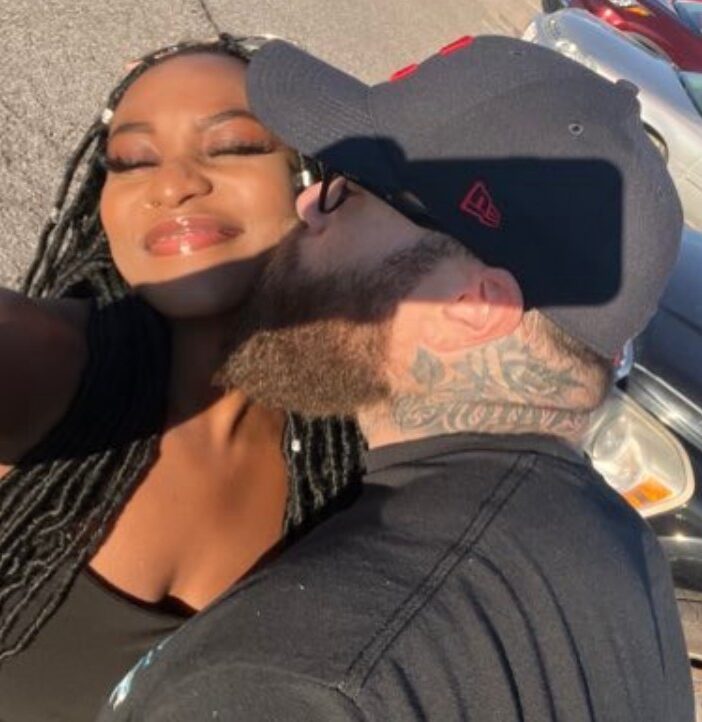
For loyal followers of Sako and Dalton, the initial reaction was a mixture of shock and concern. Many rushed to defensive positions, expressing dismay over how a seemingly private or casual video ended up being scrutinized on a global scale. On the other hand, casual viewers who had never heard of the duo prior to the trend treated the event purely as a source of passing entertainment, demonstrating the distinct empathy gap that exists between dedicated fans and the general public online.
One of the most predictable yet fascinating elements of this trend was the sudden emergence of “Twitter Detectives.” Within hours, timelines were flooded with accounts claiming to possess the “full unedited video link” or promising exclusive access to hidden details of the Sako and Dalton drama. This behavior highlights a persistent trait of social media culture: FOMO, or the Fear Of Missing Out. Users do not want to be left out of an ongoing cultural conversation, making them highly susceptible to searching for and clicking on unverified media strings.
As with any major Twitter trend, serious discussion was quickly accompanied by internet humor. Hundreds of reaction GIFs, satirical text posts, and video parodies emerged. Users utilized classic meme templates to describe their confusion upon opening Twitter and seeing “Sako and Dalton” trending out of nowhere. Through this process of memetic mutation, the actual content of the video became secondary to the shared social experience of participating in a massive, real-time internet joke.
The Dark Side of Viral Trends: Scams and Privacy (Critical Analysis)
While viral trends can appear lighthearted and entertaining on the surface, phenomena like the “Sako and Dalton Twitter viral” surge expose severe vulnerabilities and ethical concerns inherent to modern internet culture.
A critical hazard of searching for trending multimedia on Twitter is the immediate influx of malicious actors. Hundreds of automated bots and scam accounts quickly hijacked the hashtags #SakoAndDalton and keywords like “Sako and Dalton full video.” These accounts post shortened URLs or suspicious links wrapped in clickbait promises. Users who click these links in search of the video are often redirected to phishing websites, adult advertisement loops, data-harvesting surveys, or pages designed to install malware on their devices. The Sako and Dalton craze serves as a stark reminder of how internet traffic spikes are routinely weaponized by cybercriminals.
From an ethical standpoint, the rapid spread of the video raises serious questions regarding the right to privacy for digital creators. In the modern creator economy, the line between public entertainment and private life is incredibly thin. When candid or unverified media is leaked and magnified by global algorithms, it can cause genuine distress to the individuals involved. The internet often forgets that behind the avatars and trending keywords are real human beings navigating the psychological fallout of sudden, uncontrollable scrutiny.
In the wake of such viral storms, creators typically employ one of two strategies: absolute silence or swift legal/PR intervention. At the time of reporting, public statements regarding the Twitter drama have remained minimal, which public relations experts often recommend to avoid adding fuel to the algorithmic fire. When creators refuse to engage with or validate a viral trend, the internet’s short attention span usually forces the collective gaze to shift toward the next breaking topic within a matter of days.
The explosive rise of the “Sako and Dalton video” on Twitter is a textbook case study in how modern social media platforms operate. It demonstrates the volatile pipeline through which a localized piece of media can cross platform boundaries, catch the eye of an algorithm, and become a global talking point within twenty-four hours.
Ultimately, whether the trend was propelled by genuine fan curiosity, humorous meme formats, or calculated algorithmic engagement, it underscores the fleeting and unpredictable nature of digital fame. For everyday social media users, the phenomenon highlights the vital importance of digital literacy specifically, maintaining a healthy skepticism toward trending clickbait, avoiding hazardous links, and respecting the foundational boundaries of human privacy in a deeply interconnected world. As the dust settles on the Sako and Dalton trend, one reality remains certain: the digital machinery of Twitter will undoubtedly produce an entirely new viral obsession tomorrow.
Leave a Reply